Sustainable Landscaping: RHS Tips for an Eco-Conscious Lawn Care Approach May 20, 2026
To start off, understanding the benefits of sustainable lawn care is crucial. By adopting eco-conscious practices, you're not only reducing chemical usage and conserving water but also promoting biodiversity in your garden. These efforts lead to a healthier lawn, which is more resistant to pests and diseases. Moreover, sustainable landscaping can significantly lower your maintenance costs over time.
One of the key aspects of sustainable lawn care is efficient water management. Traditional irrigation systems often result in overwatering and waste. Instead, consider installing a smart irrigation system that can adjust watering schedules based on weather conditions and soil moisture levels. Additionally, rainwater harvesting is an excellent way to conserve water. By collecting rainwater in barrels, you can water your lawn during dry spells without using excess tap water.
Choosing the right plants is another vital component of sustainable landscaping. Opt for native plants that are well adapted to your local climate and soil. These species require less maintenance and are more resilient against pests. At RHS, we suggest consulting with local horticulturists to select the best native varieties for your area. Furthermore, integrating a mix of grasses and ground covers can enhance soil health and reduce erosion.
A healthy lawn starts with nourishing the soil. Building rich, organic soil increases its capacity to retain nutrients and water, reducing the need for chemical fertilizers. Use natural fertilizers such as compost, which improves soil structure and provides essential nutrients. Composting kitchen waste and garden debris is a sustainable way to enrich your soil without harmful chemicals.
Another effective strategy is integrated pest management (IPM), which focuses on using natural methods to control pests. Encourage beneficial insects like ladybugs and bees, which are natural predators of common lawn pests. Planting a variety of flowering species can attract these helpful allies to your garden. If pest issues arise, explore non-toxic treatments as a first line of defense.
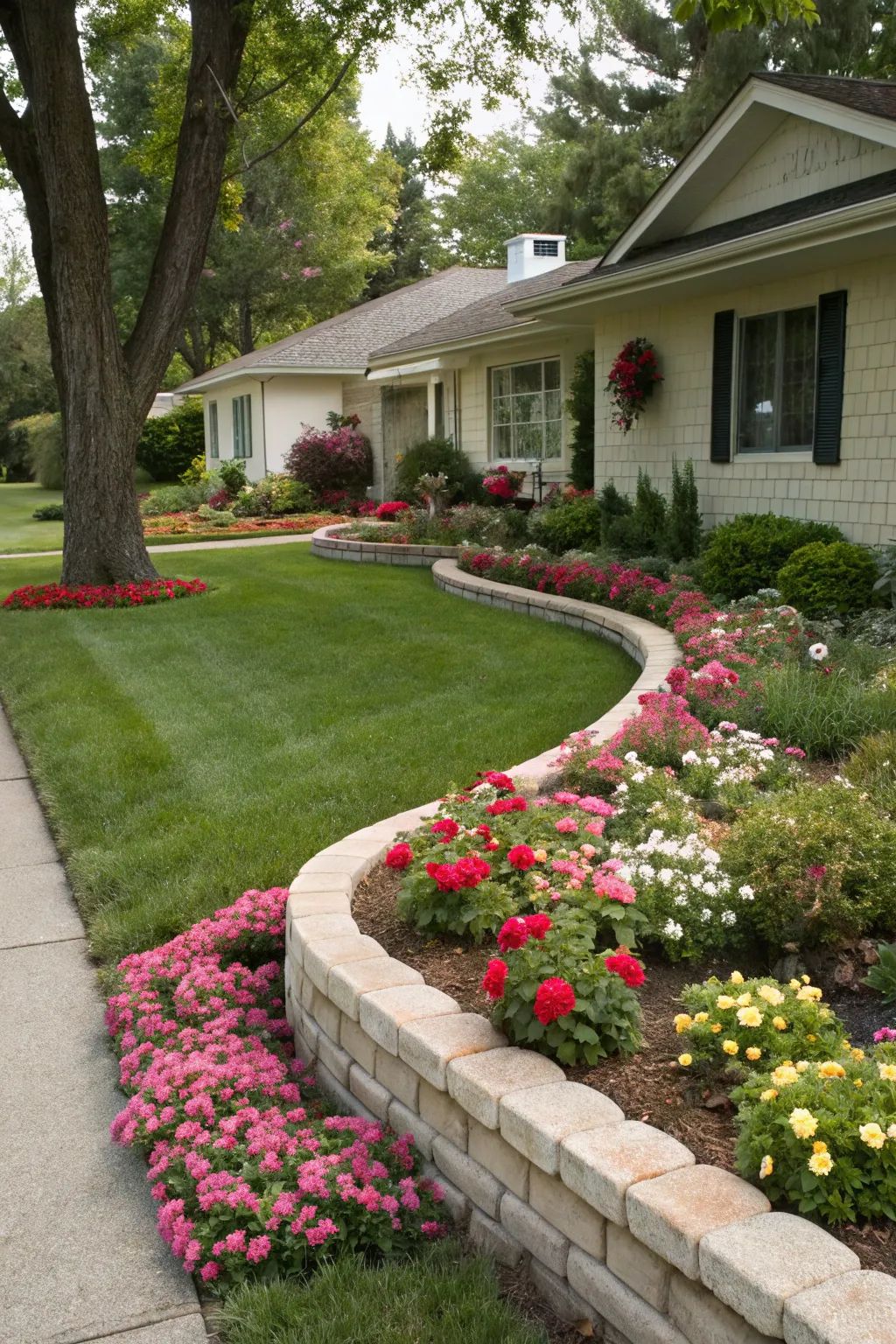
Mulching is an often overlooked practice that can significantly benefit your lawn's health. By applying a layer of organic mulch, you can retain soil moisture, regulate temperature, and suppress weed growth. Mulch also decomposes over time, adding organic matter back into the soil, enhancing its fertility naturally.
While transitioning to sustainable practices, remember that patience is key. Changes in your lawn's ecosystem may take time to manifest visibly. However, the long-term rewards of a thriving, eco-friendly lawn are well worth the effort.
In conclusion, moving towards sustainable landscaping with RHS tips for lawn care is a win-win situation. Not only does it support the environment, but it also fosters a lush, vibrant lawn that enhances your property's appeal. By adopting water-saving techniques, choosing native plants, enriching your soil, managing pests naturally, and applying mulch, you can enjoy a beautiful outdoor space while playing your part in conserving our planet for future generations. Embrace the journey of sustainable landscaping and transform your lawn into a beacon of eco-conscious living today.
/filters:no_upscale()/filters:format(webp)/media/4b768c01-a567-438e-a0b8-6ba00bd3a50d.jpeg)
/filters:no_upscale()/filters:format(webp)/media/a60c7764-4c65-4d38-b70c-42d165db0afa.jpeg)